 FishCast AI
Tarpon Fishing in South Carolina
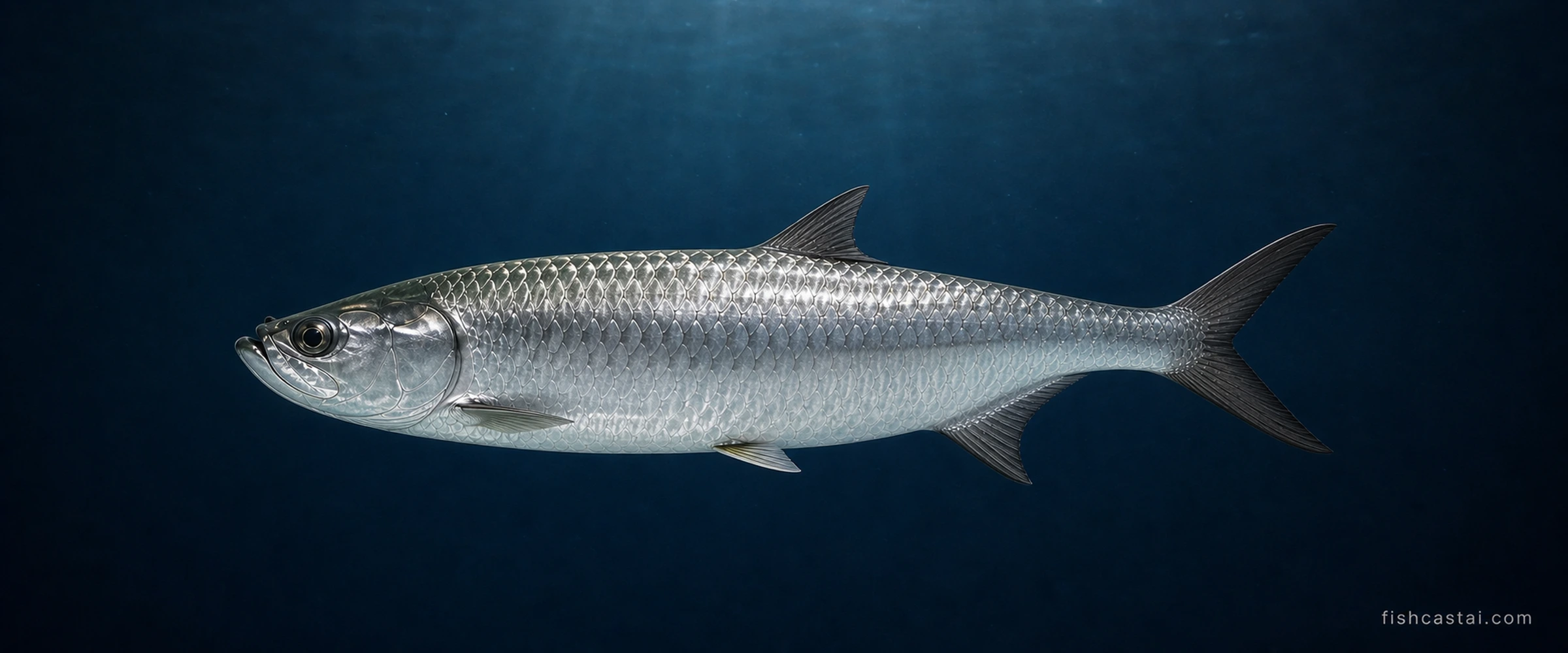
Megalops atlanticus
Also known as: Atlantic tarpon, Silver King, baby tarpon, sabalo
South Carolina quick take
South Carolina tarpon are a migratory estuary-and-beach problem, so start where warm tide water meets concentrated forage.
Max Length
250cm
Typical trophy size
Max Weight
161kg
Record class
Water Temp
73–88°F
Preferred range
Difficulty
5/5
Skill level
How to catch Tarpon in South Carolina
South Carolina tarpon are a migratory estuary-and-beach problem, so start where warm tide water meets concentrated forage.
Where to fish for Tarpon in South Carolina
Target major estuary mouths, lower tidal rivers, beach rips, inlets, and nearshore coastal lanes around Charleston, Georgetown, and Winyah Bay.
Look for adult fish in the lower estuary and adjacent beach water instead of spending the whole trip in tiny interior creeks.
Pick areas where shrimp, crabs, or baitfish are forced through a broad tide funnel rather than scattered across featureless flats.
How to work the pattern in South Carolina
Lead beach and estuary fish with flies, swimbaits, or live bait so the offering crosses the travel line quietly.
Use the incoming or outgoing lane with the strongest forage movement and repeat it until the school changes direction.
When fish roll in open lower-estuary water, set up farther ahead and let the current complete the final part of the presentation.
Seasonal behavior in South Carolina
South Carolina tarpon arrive with warming water and are most relevant from late spring through summer when adult fish use estuaries and nearby beach water. Summer keeps them around large river mouths, inlets, and coastal travel lanes where shrimp, crabs, and baitfish gather. Fall fishing can linger briefly if water stays warm, but the pattern does not carry into winter the way it does in South Florida. South Carolina differs from the general tarpon page by being almost entirely migratory, with the strongest bite tied to warm-season estuary access rather than year-round refuge water.