 FishCast AI
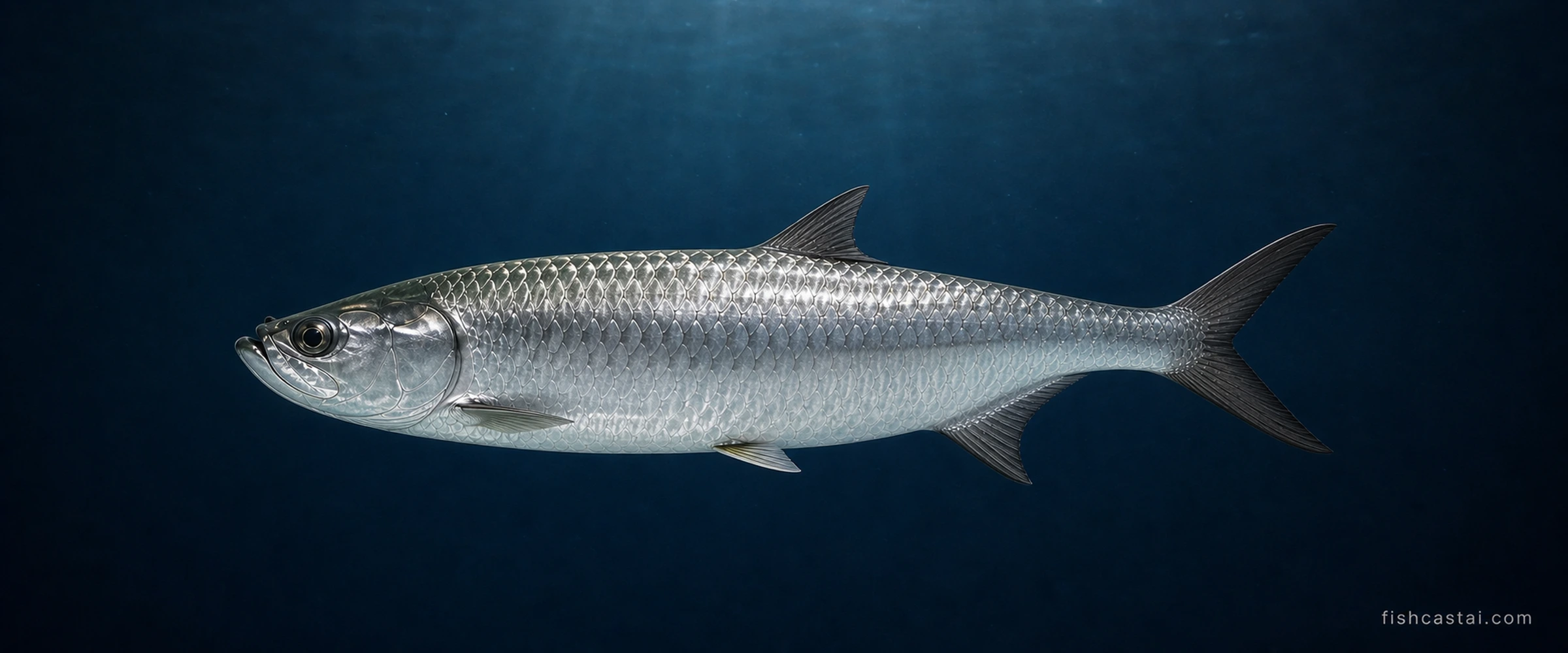
Tarpon
Megalops atlanticus
Also known as: Atlantic tarpon, Silver King, baby tarpon, sabalo
Start with the tide lane that is actually moving bait, and put a clean presentation in front of rolling or traveling fish before they reach the structure.
Max Length
250cm
Typical trophy size
Max Weight
161kg
Record class
Water Temp
73–88°F
Preferred range
Difficulty
5/5
Skill level
How to catch Tarpon
Best timing
Fish warm stable water, dawn and dusk, moving tides, summer migration windows, and any period when bait compresses around passes, bridges, beaches, or river mouths.
Warm stable water · moving tide · low light · summer migration
Best methods
Live crabs, pinfish, mullet, menhaden, large flies, swimbaits, plugs, and jigs all produce when they enter the fish's travel lane at the right depth.
Live crab · mullet · fly · swimbait · plug
Best presentation
Lead rolling or traveling fish, keep the offering above their eye line, and let current carry the bait through the lane instead of pulling it across too quickly.
Lead the school · above eye line · current carry · one clean pass
Where they hold
Focus on passes, bridge approaches, channel edges, beaches, river mouths, backcountry basins, and bait-rich current seams with nearby depth.
Pass and bridge lanes · beaches · river mouths · deep edge nearby
Where to fish for Tarpon
Use state guides to narrow the pattern before checking forecast conditions.
Florida owns the strongest tarpon migration, pass fishery, and winter refuge water in the country.
Florida stands apart because it offers the full tarpon cycle: winter concentrations in South Florida, spring Keys and backcountry fish, and the famous late-spring to summer pass and beach migration. Boca Grande Pass, the Florida Keys, the Everglades, and major bridge systems all fish differently, so anglers can follow the season instead of forcing one pattern year-round.
View state guideTexas tarpon are a south-coast beachfront and pass fishery built around warm Gulf water.
Texas tarpon fishing is more concentrated than Florida's and is most associated with the southern coast, beachfront Gulf water, and major passes. TPWD points anglers toward South Texas guides, open Gulf lanes, and baits like pinfish, mullet, menhaden, spoons, and jigs because the directed fishery is tied to summer warm water and moving fish.
View state guideLouisiana tarpon fishing peaks around Grand Isle, Venice, and delta-edge bait concentrations in summer.
Louisiana's tarpon identity is tied to the lower coast and the longstanding Grand Isle tarpon tradition rather than to an all-season statewide pattern. Summer and early fall fish track menhaden and mullet around barrier islands, passes, and delta edges, giving the state a short but very legitimate big-fish window.
View state guideAlabama's tarpon season is a summer Gulf and pass bite centered on Mobile and Perdido water.
Outdoor Alabama points anglers to late May through early October, with the best stretch in July and August, and highlights lower Mobile Bay, Perdido Bay, passes, interior marsh areas, and Gulf beaches. That makes Alabama a cleaner warm-season destination than a year-round tarpon state, with the pattern tightening around tide, surf clarity, and bait movement.
View state guideSouth Carolina gets a warm-season tarpon run through estuaries, beaches, and nearshore coastal lanes.
South Carolina's fishery is built around migratory adults using estuaries and nearshore coastal water during the warm season rather than around a resident winter pattern. Estuary mouths, larger inlets, beach fronts, and bait-rich river-coast intersections matter most because tarpon in the state are seasonal travelers tied to heat and forage movement.
View state guideDistribution
Seasonal behavior
Seasonal movement
Tarpon spread north and become more available along beaches, passes, bridges, and estuaries as spring water temperatures rise. Summer is the main migration period, with adults concentrated in coastal travel lanes before offshore spawning and inshore feeding windows overlap. Fall cooling pushes many fish south again, while winter narrows the most dependable action to warmer South Florida systems, protected harbors, and deep inlets.
Preferred habitat
Tarpon prefer current-connected coastal structure that gives them a travel lane, oxygen, and concentrated forage without forcing them to stay in open featureless water. Adult fish hold around passes, beaches, bridge funnels, channels, river mouths, harbor basins, and coastal edges where bait gets pinned by tide. Juveniles use mangrove wetlands, marsh creeks, and low-oxygen backwater nurseries, which is why nearby estuary health matters to the adult fishery.
Feeding behavior
Adult tarpon feed on fish, shrimp, and crabs, with the strongest bites centered on mullet, menhaden, pinfish, and other large forage pushed into a narrow lane. They are visual and current-oriented feeders that track prey in the upper water column, then accelerate hard once the bait crosses the strike line. Dawn, dusk, bridge shadow, beach migration, and active tide phases produce the most consistent aggressive windows.
What changes the bite
Warming trends into the mid-70s and low-80s Fahrenheit, moving tide, bait concentration, and clean light transitions are the strongest tarpon bite triggers. Cold snaps tighten the pattern by pushing fish into warmer rivers, deep inlets, and protected canals instead of making them disappear. Before a trip, check whether current flow, wind direction, and bait position all point to the same bridge lane, pass edge, or beach corridor.