 FishCast AI
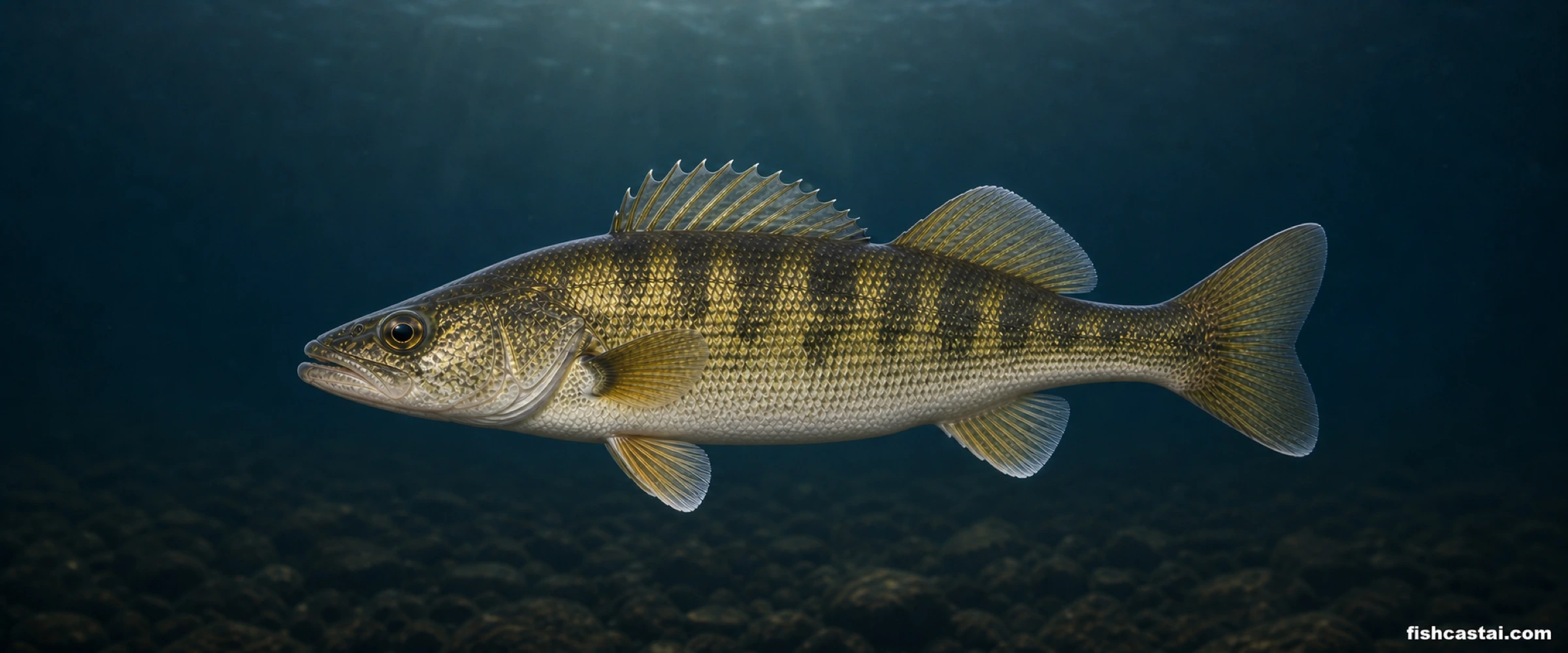
Walleye
Sander vitreus
Also known as: walleye, walleyed pike, yellow pike
Find the active edge first, keep your bait near bottom or just above the marks, and use light angle, wind, and depth changes to time the feeding window.
Max Length
107cm
Typical trophy size
Max Weight
11.3kg
Record class
Water Temp
50–70°F
Preferred range
Difficulty
3/5
Skill level
How to catch Walleye
Best timing
Fish spring spawning runs, dawn and dusk, windy overcast periods, summer contour-trolling windows, and fall baitfish pushes onto rock and current edges.
Spring run · low light · windy overcast · fall bait push
Best methods
Jigs, live-bait rigs, crawler harnesses, swimbaits, blade baits, and crankbaits all produce when matched to depth and current speed.
Jig · live-bait rig · harness · blade bait · crankbait
Best presentation
Stay near bottom without dragging constantly, repeat productive drift angles, and change speed before changing spots when fish show but do not commit.
Near-bottom control · repeat angle · speed change
Where they hold
Focus on breaklines, rock reefs, humps, saddles, river mouths, current seams, weed edges, and wind-blown shorelines with nearby depth.
Breaklines · reefs · current seams · wind-blown points
Where to fish for Walleye
Use state guides to narrow the pattern before checking forecast conditions.
Michigan walleye fishing is anchored by Lake Erie, the Detroit and St. Clair rivers, and a long list of inland lakes where current, reefs, and low-light edges produce consistent patterns.
Michigan offers both Great Lakes-scale walleye water and strong inland fisheries. Spring fish run through the Detroit and St. Clair systems and push shallow on gravel and current edges, then transition to basin breaks, reefs, and contour structure as the open-water season settles in. Inland waters follow the same rules on a smaller scale, with wind, bait, and evening light shifts deciding which side of the structure turns on.
View state guideMinnesota remains a flagship walleye state because big natural lakes, reservoirs, and deep-ice seasons keep fish catchable across nearly the entire calendar.
Minnesota’s walleye identity comes from clear seasonal transitions that anglers can follow with discipline. Spring fish move shallow onto gravel, current, and wind-blown rock, then spread to first breaks, reefs, weed edges, and basin-adjacent structure as summer develops. Many waters also carry strong late-fall and hardwater bites, which makes Minnesota one of the few states where walleye patterns stay front-and-center year-round.
View state guideOhio is a premier walleye state because Lake Erie’s western and central basins create huge forage-driven movements that stay fishable from spring through fall.
Ohio’s walleye identity is built around Lake Erie and the long seasonal progression from spring spawning and staging into open-lake contour fishing. Fish stack around the western basin and reef complexes early, then spread east and deeper as bait and temperature settle into summer patterns. That movement creates strong trolling, rigging, and low-light casting windows for much of the open-water season.
View state guideNorth Dakota walleye fishing stands out for large fertile waters where fish use wind, contour, and basin structure more than shoreline complexity.
Lake Sakakawea, Devils Lake, and other prairie waters give North Dakota a distinct open-structure walleye identity. Fish relate to points, flooded structure, contour swings, and basin-connected breaks, but wind direction often decides where bait piles up and which side of the lake activates. Because these waters are broad and fertile, anglers who stay on the exact depth band usually out-fish those who keep changing lure style.
View state guideWisconsin walleye fishing mixes Northwoods structure lakes, flowages, and Winnebago-style systems where current, rock, and weed edges create repeatable seasonal shifts.
Wisconsin’s walleye waters range from clear natural lakes to broad flowages, but the statewide pattern still centers on structure linked to spawning access and nearby depth. Fish use current areas, rock, gravel, and shoreline spawning structure early, then spread to weed edges, breaks, humps, and wind-blown points. Flowage fish often hold a little tighter to current and stained water than classic clear-lake fish.
View state guideDistribution
Seasonal behavior
Seasonal movement
Walleye move from winter basins and deep channels toward rivers, gravel bars, and shallow rock as early-season water warms into spawning range. After the spawn they transition to first breaks, humps, reefs, and current seams, with summer fish often deeper by day but shallower during low light, wind, or bait movement. Fall fish pull back onto rock, bait-rich shorelines, and river mouths before settling into deeper winter structure.
Preferred habitat
Walleye prefer lakes and rivers with structure, forage, and a nearby depth change that supports daytime holding and nighttime feeding. Reefs, breaklines, humps, points, saddles, current seams, and weed edges are productive because they concentrate both prey and travel routes. Slight stain, wind, and low light often make otherwise average structure much stronger by letting fish feed shallower and longer.
Feeding behavior
Walleye feed on minnows, shiners, perch, smelt, shad, and invertebrates, using low-light vision to ambush prey along edges rather than simply chasing in open water. They often sit on the down-current or shaded side of structure, then slide up to intercept bait during short but predictable feeding windows. Wind, cloud cover, and bait pushed onto structure can activate an entire school quickly if your presentation stays in the right depth band.
What changes the bite
Low light, steady wind, stable temperatures, and bait concentrated on one side of structure are the clearest walleye bite triggers. Bright calm conditions usually pull fish tighter to depth or make the best bite very short, especially in clear water. When marks are present but fish only nip or follow, the adjustment is usually speed, angle, or bottom contact rather than a drastic lure change first.