 FishCast AI
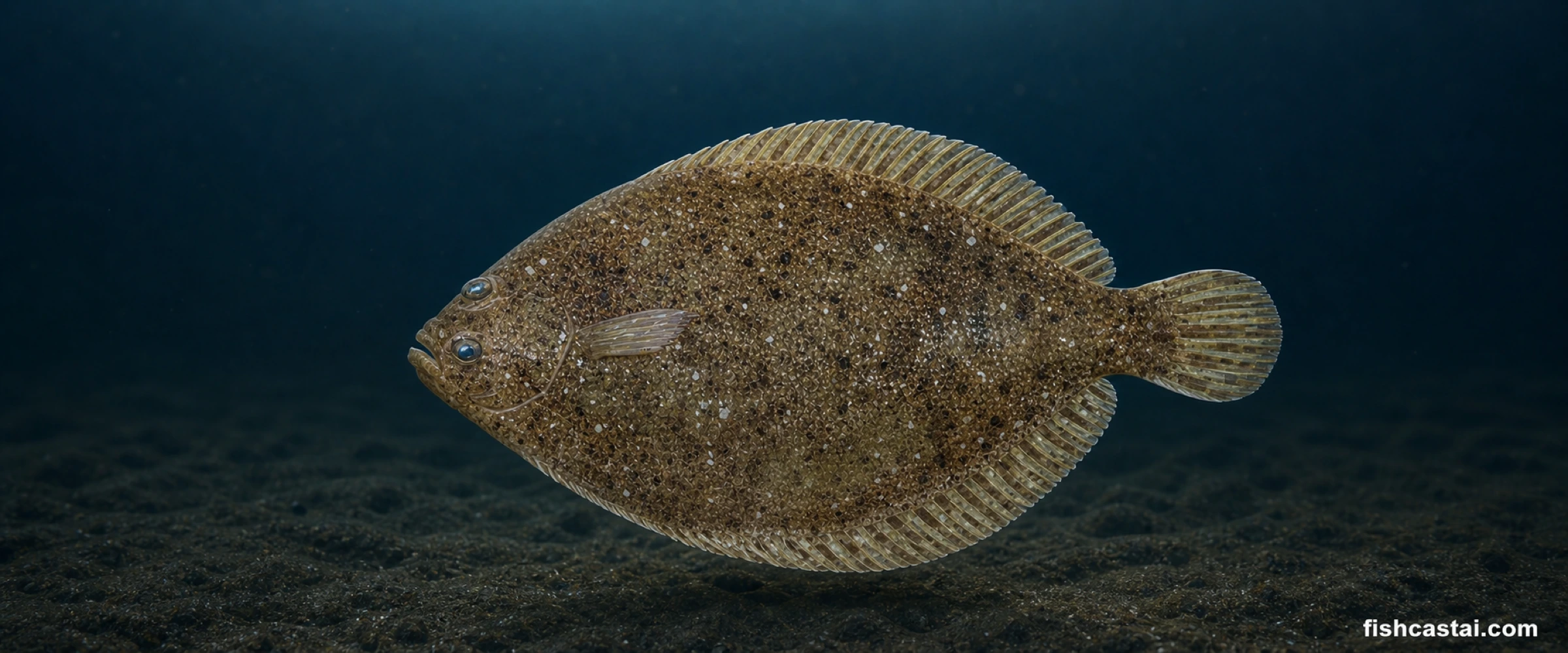
Summer Flounder
Paralichthys dentatus
Also known as: Fluke, Northern fluke, Flounder
Drift the cleanest sand-to-channel edge you can find and keep a bucktail or bait tight to bottom until you locate the exact lane where fluke are set up. Once bites start, repeat that drift line instead of covering random open water.
Max Length
94cm
Typical trophy size
Max Weight
12kg
Record class
Water Temp
57–79°F
Preferred range
Difficulty
3/5
Skill level
How to catch Summer Flounder
Best timing
Fish the late-spring through early-fall inshore run, especially on moving tide, low-light drifts, and stable warmups that position bait on channels and shoals.
Moving tide · low light · stable warmup · inshore season
Best methods
Bucktails with scented trailers, squid strips, spearing, and bottom rigs all produce when they stay in contact with sand edges, inlet holes, reefs, and channel lips.
Bucktail jig · scented trailer · squid strip · bottom rig
Best presentation
Work short hops and controlled drags that tap bottom cleanly, then slow down or add weight any time the bait starts riding above the strike zone.
Short hops · bottom contact · controlled drift · weight adjustment
Where they hold
Focus on sandy channel edges, inlet current seams, shoals, reef pieces, back-bay troughs, and any flat-to-drop transition that traps bait near bottom.
Channel lip · inlet seam · shoal edge · back-bay trough
Where to fish for Summer Flounder
Use state guides to narrow the pattern before checking forecast conditions.
New Jersey fluke fishing is built on inlets, back bays, wrecks, and long coastal drift lanes.
New Jersey sits in the middle of the species' strongest U.S. range, so fluke are available from back-bay channels to nearshore reef pieces through a long inshore season. The local pattern revolves around current-heavy inlets, sedge-edge bay channels, and ocean drifts where bucktails and bait strips stay pinned to bottom.
View state guideLong Island bays, inlets, and south-shore ocean drifts define New York's fluke game.
New York's best summer flounder water combines broad bay systems with hard-moving inlet current and easy access to nearshore ocean structure. Great South Bay, Jamaica Bay, Moriches, Shinnecock, and Montauk all produce because fish can slide between sand flats, channels, and tide-swept openings without leaving the food chain.
View state guideRhode Island fluke concentrate on warm-season drifts around breachways, rips, reefs, and coastal ponds.
Rhode Island sits near the northern core of the inshore fishery, so the bite turns on when summer water warms enough to hold bait in the coastal ponds, breachways, and nearshore ocean structure. Local anglers often toggle between pond channels, breachway current, and Block Island or South County drifts depending on wind and temperature stability.
View state guideOcean City Inlet and the coastal bays give Maryland its most reliable summer flounder bite.
Maryland's fluke fishery is more compact than New Jersey or New York, but the Ocean City corridor offers a very clear pattern built on inlet current, bridge structure, and bay channels. Assawoman, Isle of Wight, Sinepuxent, and the inlet itself all produce because fish can move between shallow feeding water and deeper moving-tide structure within a short distance.
View state guideVirginia mixes coastal-bay fluke water with the deeper structure around the Chesapeake Bay mouth.
Virginia stands out because summer flounder can hold in shallow Eastern Shore bays, ocean inlets, and larger structures like the Chesapeake Bay Bridge-Tunnel complex. That combination creates a longer menu of patterns, from classic back-bay drifts to heavier channel presentations around the bay mouth.
View state guideDistribution
Seasonal behavior
Seasonal movement
Summer flounder winter offshore along the shelf edge, then move into bays, estuaries, and nearshore structure through late spring as water warms. Summer fish spread across shoals, reefs, channels, and inlet systems where current delivers bait, while fall pulls them back toward deeper ocean water for spawning. The best recreational bite usually happens during that broad inshore phase before the offshore return is fully underway.
Preferred habitat
Adult fluke favor hard sand, shell-streaked bottom, channel edges, inlet holes, shoals, and reef corners where they can bury and ambush without burning energy. Estuaries, marsh creeks, seagrass edges, and open bays matter too, especially when a trough or tide seam gives them quick access to bait. Productive water almost always includes a bottom transition rather than a uniform flat.
Feeding behavior
Summer flounder feed by lying concealed on bottom and striking upward at fish, squid, shrimp, and crabs that cross a narrow lane. Larger fish eat more baitfish and squid, while smaller fish still rely heavily on crustaceans and smaller forage. They feed best when current, tide, or drift angle pushes prey predictably across the structure instead of scattering it over open bottom.
What changes the bite
A clean drift, moderate current, warming inshore water, and bait stacked on a channel edge are the biggest summer flounder bite triggers. Too much drift speed or poor bottom contact takes the lure out of the strike lane even when fish are present. After a lull, a small change in angle, weight, or tide stage often matters more than changing colors.