 FishCast AI
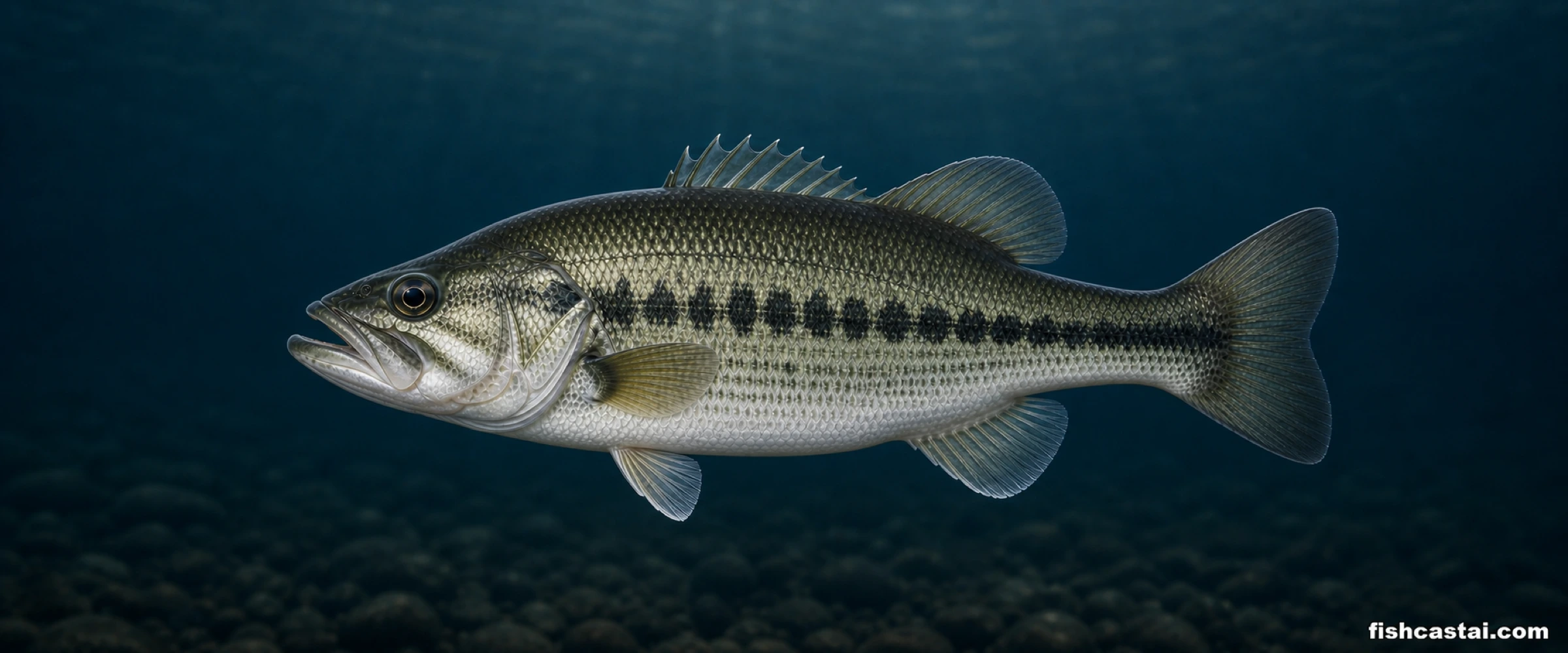
Spotted Bass
Micropterus punctulatus
Also known as: spotted bass, spot bass, kentucky bass
Start on points, brush, and current-facing structure, then slow down with finesse plastics or underspins once the school shows itself.
Max Length
64cm
Typical trophy size
Max Weight
4.9kg
Record class
Water Temp
61–81°F
Preferred range
Difficulty
3/5
Skill level
How to catch Spotted Bass
Best timing
Lean on spring point staging, stable summer offshore patterns, and fall baitfish movement when spotted bass group on structure.
Point staging · summer current · offshore school · fall bait
Best methods
Underspins, finesse worms, swimbaits, drop shots, and compact jigs cover the most dependable spotted-bass patterns on clear reservoirs.
Underspin · finesse worm · swimbait · jig
Best presentation
Keep the bait above suspended fish, work brush and points methodically, and slow down once you find the exact school position.
Above the school · brush edges · slow follow-up · clear water
Where they hold
Focus on long tapering points, offshore brush, bluff ends, current seams, humps, and bait-rich structure close to deep water.
Points and brush · bluff ends · humps · deep-water access
Where to fish for Spotted Bass
Use state guides to narrow the pattern before checking forecast conditions.
Alabama’s Coosa River chain remains the reference point for trophy spotted bass because clear current-fed reservoirs and rocky structure keep big fish grouped on predictable breaks.
The Coosa system around Lay, Mitchell, Jordan, and nearby reservoirs built Alabama’s modern spotted-bass reputation by combining current, depth, rock, and forage in one package. It is the classic Alabama pattern: points, ledges, bluff banks, and offshore structure where fish can suspend, feed, and reset without leaving deep water.
View state guideGeorgia spotted bass are anchored by clear highland reservoirs such as Lanier and Allatoona, where rock, herring, and offshore structure define the fishery.
Georgia DNR’s bass reservoir network gives spotted bass a strong foothold in the northern half of the state, but Lake Lanier remains the best-known example because it combines deep clear water, rocky structure, and open-water bait. That produces the classic Georgia spot pattern: fish on points, humps, brush, and break lines that often rise to chase herring or shad above deep water.
View state guideTennessee spotted bass stay tied to rocky reservoir structure, river current, and deep-water access, especially in clearer impoundments and current-facing systems.
Tennessee does not have the same singular spotted-bass identity as Alabama or Georgia, but the species still fits many of the same highland-reservoir and current-oriented patterns. Clearer structure lakes and river systems reward finesse tools, vertical approaches, and bait-matching presentations once spotted bass leave spring shallows.
View state guideTexas spotted bass are more localized than largemouth, but in the right rocky reservoirs they follow a clear pattern built around depth, hard structure, and bait positioning.
Texas Parks and Wildlife identifies the species as less common than largemouth, but it still forms meaningful fisheries in select reservoirs with rock and deeper clear water. That makes Texas a niche spotted-bass destination rather than a broad statewide one, with the best fish concentrated in places where points, breaks, and open-water forage dominate the setup.
View state guideDistribution
Seasonal behavior
Seasonal movement
Spotted bass stage on main-lake and secondary points during spring warming trends, then move onto hard-bottom spawning pockets once water temperatures settle into the upper-50s to mid-60s F. Summer is their cleanest season because they school on brush, humps, and current-facing structure where bait stays concentrated over deep water. Fall keeps them chasing shad and herring on points and creek mouths, while winter pulls them deeper but still catchable on vertical finesse presentations.
Preferred habitat
Spotted bass want clear to moderately stained reservoirs with hard structure, current, and fast access to depth. Long points, bluff ends, humps, gravel bars, offshore brush, and current-fed ledges all produce because they let fish trap bait while staying near suspended forage. Compared with largemouth, they spend more time off the bank and more comfortably suspend over open water beside structure.
Feeding behavior
Spotted bass feed on shad, blueback herring, crayfish, and small fish, and they are built to chase suspended forage farther than most largemouth. They often rise to intercept an underspin, swimbait, or jerkbait when wind or current positions bait over the school. The best feeding windows come when bait is concentrated and the fish can cycle between open-water feeding and nearby structure without relocating far.
What changes the bite
Current release, wind on main-lake points, and steady warming trends are the cleanest spotted-bass bite triggers. Electronics matter more as fish suspend over brush and deeper structure, especially during summer and winter. When fish are visible but neutral, depth control and a slower vertical presentation usually beat a faster search bait.