 FishCast AI
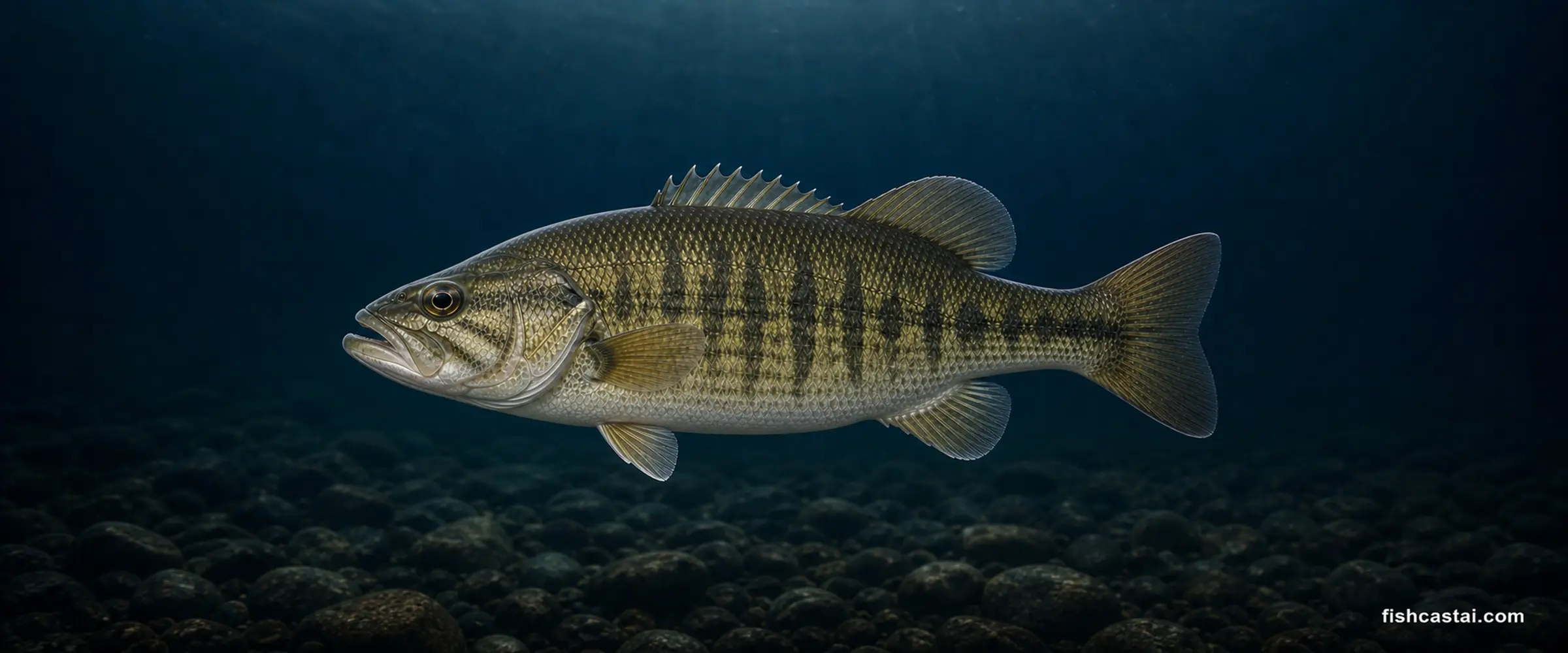
Smallmouth Bass
Micropterus dolomieu
Also known as: smallmouth bass, smallie, bronzeback
Start on rocky staging areas and current-fed structure, then slow down with tubes or finesse jigs once you locate the school.
Max Length
69cm
Typical trophy size
Max Weight
5.4kg
Record class
Water Temp
54–75°F
Preferred range
Difficulty
3/5
Skill level
How to catch Smallmouth Bass
Best timing
Fish warming spring afternoons, stable summer current, and fall baitfish pushes when smallmouth group on rock and feeding lanes.
Warming trend · summer current · low light · fall bait
Best methods
Tubes, jerkbaits, swimbaits, finesse jigs, and topwater cover the highest-percentage smallmouth patterns in lakes and rivers.
Tube · jerkbait · swimbait · finesse jig
Best presentation
Make long casts, let current or wind carry the bait naturally, and pause on boulders, reef edges, and gravel transitions.
Long cast · natural drift · pause on rock · clear water
Where they hold
Focus on shoals, gravel bars, rocky points, reefs, bluff ends, and current seams close to clean water and bait.
Rock and gravel · shoals · current seams · first breaks
Where to fish for Smallmouth Bass
Use state guides to narrow the pattern before checking forecast conditions.
Michigan is one of the premier smallmouth states in the country because Great Lakes coastlines, connecting waters, and northern rivers all hold strong bronzeback populations.
Michigan DNR identifies the southeastern Great Lakes coast from Port Huron to Lake Erie as nationally known for both the size and numbers of smallmouth bass, and the state also points to northern lakes and southern rivers as standout water. That mix gives Michigan both world-class open-water Great Lakes smallmouth fishing and classic river smallmouth patterns built around rock, current, and clean water.
View state guideTennessee stays central to smallmouth culture because Dale Hollow still defines trophy potential and the state’s clear highland reservoirs keep rocky deep-water patterns alive year-round.
TWRA still highlights Dale Hollow as a world-class smallmouth destination built on clear water, abundant rocky habitat, and forage that sustains large fish. Tennessee’s best smallmouth fishing is less about shallow vegetation and more about bluff ends, gravel structure, offshore rock, and deep-water finesse or crawfish-oriented presentations once fish leave the spawn.
View state guideWisconsin offers statewide smallmouth range across all three major drainage basins, with the strongest identity built around clear lakes, rocky streams, and crayfish-rich habitat.
Wisconsin DNR describes smallmouth as common in medium to large streams and in large clear-water lakes throughout the state, and specifically ties the fish to rock, current, and crayfish forage. That makes Wisconsin one of the cleanest examples of classic upper Midwest smallmouth fishing, where quiet approaches, rock contact, and seasonal spawning windows matter more than heavy-cover power fishing.
View state guideNew York has multiple nationally recognized smallmouth fisheries, with Lake Erie and the St. Lawrence standing out for trophy fish and deep rocky structure patterns.
NYSDEC explicitly calls Lake Erie one of the finest smallmouth fisheries in the state and highlights the St. Lawrence, Lake Champlain, Cayuga, and other waters as top bass destinations. The strongest New York smallmouth pattern revolves around spring movements into tributaries, harbors, and reefs, followed by summer fish holding on rocky drop-offs, humps, ledges, and deep structure where vertical approaches excel.
View state guideDistribution
Seasonal behavior
Seasonal movement
Smallmouth bass stage on rocky points and gravel flats during spring warming trends, then move onto spawning areas when water temperatures stabilize around 14-17°C. Summer fish set up on offshore reefs, shoals, and current-fed structure where oxygen and bait stay reliable, often sliding shallower again during low light or heavy wind. Fall pulls them back toward bait-rich flats and points, while winter groups them in deeper basins, tailouts, and slow pools where they feed in shorter windows.
Preferred habitat
Smallmouth bass prefer clear to moderately stained water with rock, gravel, current, and direct access to depth rather than shallow vegetation. Rivers concentrate them on boulders, ledges, shoals, and seams, while lake fish favor reefs, points, bluff ends, and hard-bottom breaks. The highest-percentage water gives them both a feeding lane and a quick escape to deeper, more stable conditions.
Feeding behavior
Smallmouth bass feed on crayfish, shad, smelt, perch, and other baitfish, and they are more willing than largemouth to roam and chase when current or wind sets up a feeding lane. They still use rock and breaks as ambush points, but they often rise or slide farther to intercept prey than a cover-oriented largemouth would. Low light, cloud cover, wind chop, and steady current usually extend the best feeding windows.
What changes the bite
Stable warming trends, wind pushing bait onto rock, and current generation in rivers or tailwaters are the clearest smallmouth bite triggers. In clear water, cloud cover often lets fish move shallower and feed longer, while bright calm conditions can push them tighter to depth or structure. When marks are present but fish refuse, depth control and drift angle usually matter more than changing lure color first.