 FishCast AI
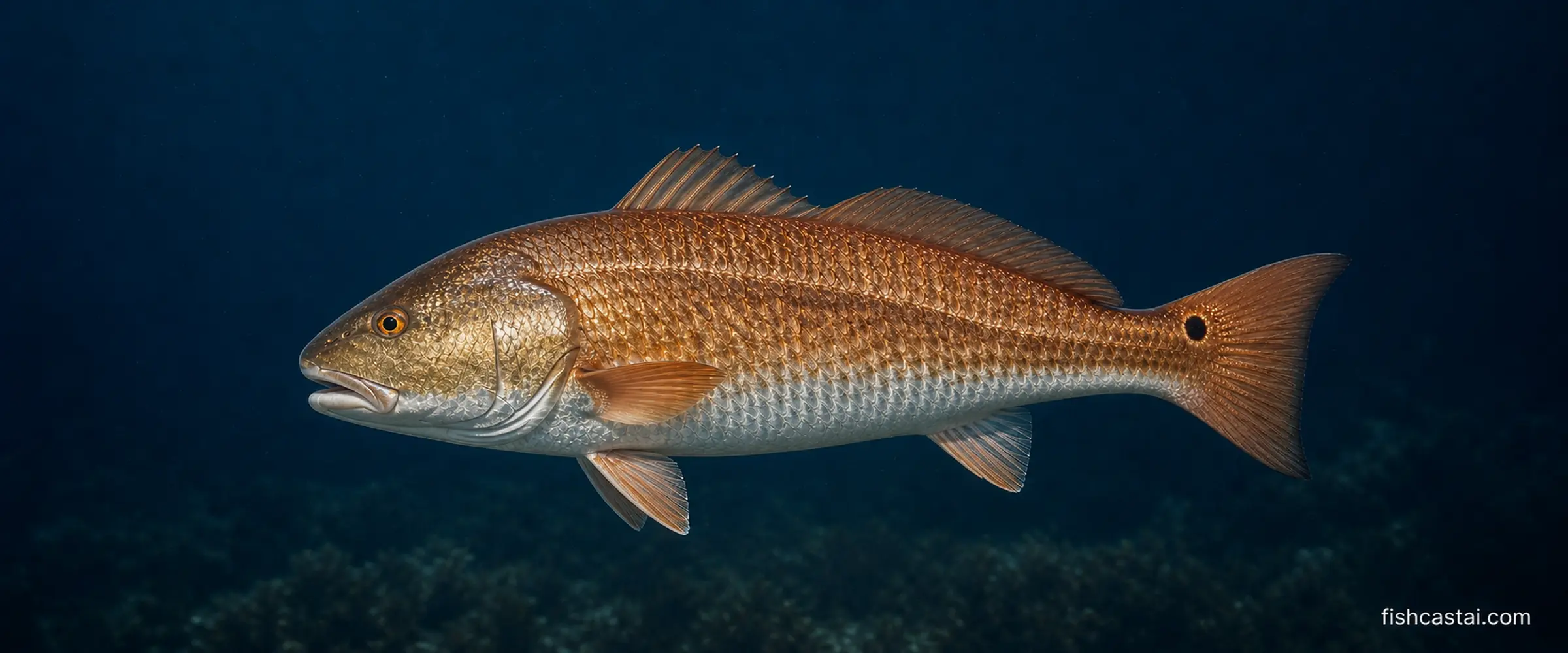
Redfish
Sciaenops ocellatus
Also known as: redfish, red drum, puppy drum, channel bass
Fish the drain, edge, or flat that the tide is actually feeding, and adjust between concentrated low-water spots and broader high-water shorelines instead of forcing one pattern all day.
Max Length
150cm
Typical trophy size
Max Weight
42kg
Record class
Water Temp
64–86°F
Preferred range
Difficulty
2/5
Skill level
How to catch Redfish
Best timing
Fish moving tides, fall schools, winter low-water concentrations, warm-season dawn windows, and any period when bait is forced off a flat or marsh edge.
Moving tide · fall schools · winter low tide · dawn window
Best methods
Paddle tails, weedless spoons, topwater plugs, shrimp, flies, popping cork rigs, and cut bait all produce when matched to water depth and clarity.
Paddle tail · spoon · topwater · shrimp · cork rig
Best presentation
Lead the fish or the drain, keep the bait moving with the tide lane, and use the first clean pass across the edge to trigger the bite.
Lead the fish · tide lane · clean first pass
Where they hold
Focus on marsh drains, oyster bars, grass flats, potholes, mangrove shorelines, creek mouths, passes, and shallow mud or sand edges with nearby depth.
Drains and oysters · grass flats · potholes · shoreline edge
Where to fish for Redfish
Use state guides to narrow the pattern before checking forecast conditions.
Florida redfish fishing is driven by shallow flats, mangrove shorelines, oyster edges, and tidal creeks where resident fish stay available through nearly the entire year.
Florida stands out because redfish can be targeted in clear shallow water across long warm seasons, especially on the Gulf coast and in broad estuary systems. Fish use grass flats, mangroves, oyster bars, creek mouths, and low-water potholes, then reposition with tide and winter temperature drops. Sight-fishing is a major part of the state pattern, but the strongest bites still come from moving water, bait concentration, and quiet accurate presentations.
View state guideLouisiana is a premier redfish state because huge marsh systems, shallow ponds, and tidal drains hold both everyday slot fish and larger bull reds across long seasons.
Louisiana’s redfish identity is built around marsh habitat. Fish move through pond networks, drains, lake edges, bays, and passes, then reposition as wind, tide, and salinity change. The state offers both sight-oriented shallow-water action and classic marsh-edge fishing where bait pours out of cuts and channels, making it one of the easiest places in the country to follow a true redfish pattern all day.
View state guideTexas redfish fishing is anchored by bay systems, grass flats, marsh shorelines, and passes where warm water and long seasons keep fish patternable for much of the year.
Texas offers one of the broadest redfish fisheries in the country, from ultra-shallow Laguna-style flats to marshy upper-coast bays and surf-adjacent passes. Fish move with water level, bait, and wind, but many remain in the same general bay system for long periods. That makes the Texas pattern less about finding migrating fish and more about reading tide, grass, potholes, drains, and shoreline current on a specific day.
View state guideNorth Carolina redfish fishing combines big-sound water, marsh edges, and surf-adjacent action where season and water temperature shape whether fish hold shallow or gather in larger schools.
North Carolina’s redfish pattern spans shallow inshore water and larger open-sound systems more than many other Atlantic states. Fish use marsh edges, grass flats, creek mouths, sound shorelines, and channels, then school more visibly in cooler periods. The state also offers a distinct bull-red element around inlets and ocean-side water when larger fish gather close to the beaches and passes.
View state guideSouth Carolina redfish thrive in low-country marshes where oyster edges, creek mouths, grass flats, and tidal drains create clear feed lanes through every season.
South Carolina’s redfish pattern is shaped by marsh tide more than by long-distance movement. Fish slide into flooded grass and shoreline cover when water rises, then gather at oyster bars, creek mouths, potholes, and drains when the tide falls out. Because the low-country marsh offers endless similar-looking habitat, the productive water is usually the section with the cleanest current flow and the most obvious bait movement.
View state guideDistribution
Seasonal behavior
Seasonal movement
Redfish move less by long-distance migration than by water level and seasonal temperature, sliding into drains, creeks, and potholes when cold fronts or low tides reduce access to the flats. Warm periods and higher water spread them across grass, shorelines, mangroves, and open marsh ponds where they feed more loosely. Fall pulls many fish into visible schools on flats, points, and passes, while winter often makes them more concentrated and patternable.
Preferred habitat
Redfish prefer inshore water with a mix of current access, shallow feeding ground, and bottom that supports crabs, shrimp, or baitfish. Marsh drains, oyster bars, mangrove edges, grass flats, shallow bays, creek bends, and muddy shorelines all hold fish because they funnel forage during changing water levels. The strongest spots usually have a flat to feed on and a nearby ditch, pothole, or channel for escape and repositioning.
Feeding behavior
Redfish feed on shrimp, crabs, mullet, finger baitfish, and other forage they can pin against bottom contours, oysters, grass, or shoreline cover. They often tip down and tail on shallow flats, but they also intercept bait in moving water where a drain or point compresses the food source. Because they are opportunistic and comfortable in very shallow water, a quiet accurate presentation usually matters more than a long cast.
What changes the bite
Moving tide, bait leaving the marsh, warming winter afternoons, and wind pushing water onto a productive shoreline are the clearest redfish bite triggers. Slack water or extreme mud can make fish harder to locate, but they often stay nearby if the drain, pothole, or shoreline still has food. When fish are visible but not eating, soften the entry and shorten the lead before changing lures.