 FishCast AI
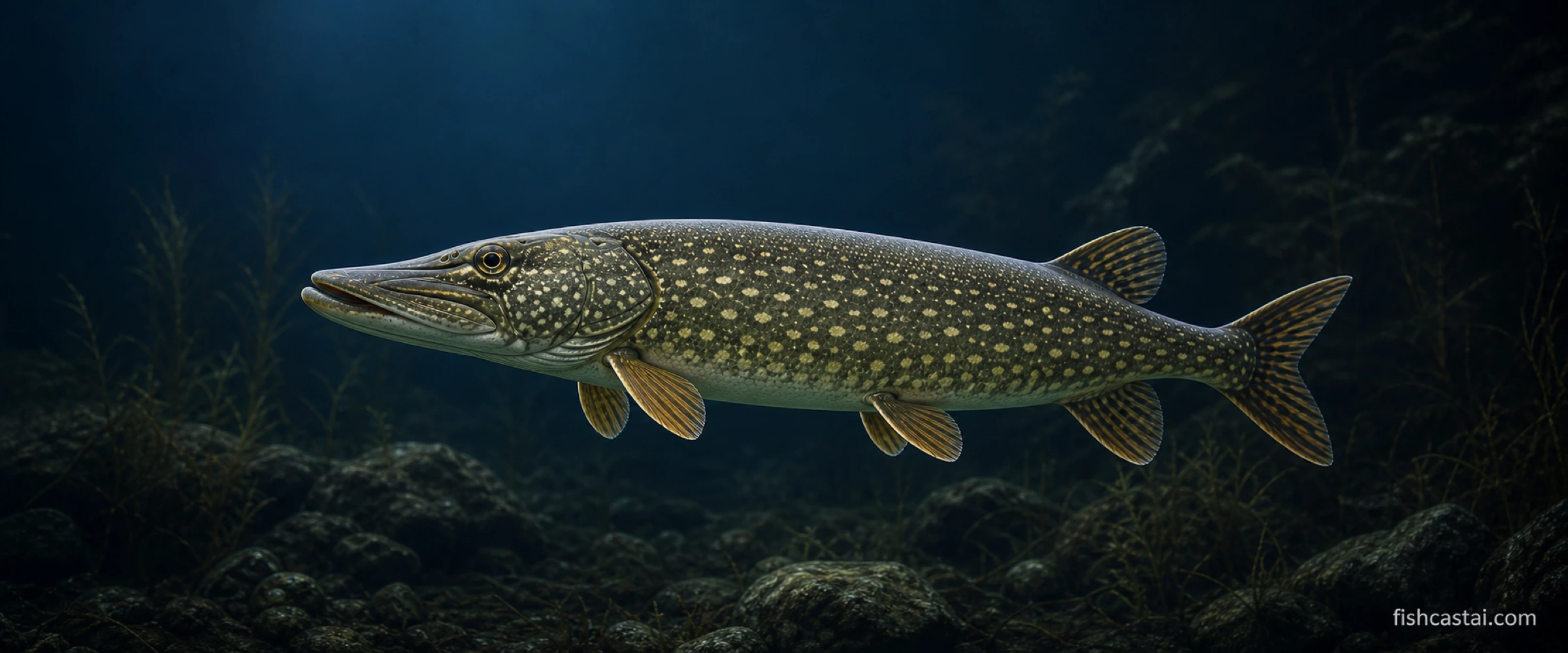
Northern Pike
Esox lucius
Also known as: northern pike, northerns, pike, jackfish
Run search baits along the cleanest weed edge first, trigger follows with speed or direction changes, and stay on the best shallow-to-deep transition until the feeding window opens.
Max Length
150cm
Typical trophy size
Max Weight
25kg
Record class
Water Temp
46–70°F
Preferred range
Difficulty
3/5
Skill level
How to catch Northern Pike
Best timing
Fish the post-ice-out period, cool summer mornings, windy overcast days, and fall bait movements when pike shift shallow and feed aggressively.
Ice-out · cool mornings · wind · fall bait move
Best methods
Spoons, spinnerbaits, jerkbaits, glide baits, swimbaits, large soft plastics, and legal live-bait rigs all produce around weeds and ambush edges.
Spoon · spinnerbait · jerkbait · glide bait · live bait
Best presentation
Run the bait just above the weeds, add pauses or directional changes at edge turns, and finish every cast with a figure-eight or wide sweep.
Above weeds · edge turn · pause · figure-eight
Where they hold
Focus on cabbage beds, reed edges, shallow bays, narrows, creek mouths, points, saddle areas, and cool drop-offs beside healthy vegetation.
Cabbage and reeds · bays · points · cool drop
Where to fish for Northern Pike
Use state guides to narrow the pattern before checking forecast conditions.
Michigan northern pike fishing is strongest on weedy inland lakes, shallow bays, and cool Great Lakes backwaters where fish stay tied to vegetation and clean ambush edges.
Michigan gives pike anglers both classic inland-lake water and sprawling Great Lakes habitat. Fish push shallow after ice-out into marshy bays, reeds, and flooded weeds, then reposition to cabbage lines, drop-offs, and outer vegetation edges as the season warms. Upper Peninsula waters and northern inland lakes hold the clearest version of this pattern, especially where shallow spawning cover sits next to deeper summer structure.
View state guideMinnesota is one of the best northern pike states because shallow spring habitat, broad weed growth, and long hardwater seasons keep fish accessible in multiple seasons.
Minnesota pike follow a classic northern cycle: shallow bays and marshes after ice-out, broad weed flats and cabbage edges through summer, and greener outside weed lines or basin-adjacent structure as fall cools the water. Large natural lakes and border waters also add a strong trophy element, while winter tip-up fishing remains part of the state’s core pike identity.
View state guideWisconsin northern pike thrive in Northwoods lakes, flowages, and weedy backwaters where clear weed-edge patterns and cool seasonal transitions make fish easy to track.
Wisconsin pike fishing is built around vegetation and cool-water timing. Fish use shallow marshes and reeds during the post-spawn period, then hold along cabbage beds, wild rice, and adjacent drop-offs through summer. Flowages and stained systems can keep fish a little shallower, while clearer natural lakes often push them to the clean outside edge sooner.
View state guideNew York northern pike fishing centers on weedy bays, river backwaters, and marsh systems where fish ambush bait along vegetation and soft current edges.
New York’s best pike water is concentrated in large lake bays, river backwaters, and marshy systems that warm early and grow dense vegetation. Pike move shallow to spawn, then spend much of the open-water season using weed walls, channels through grass, and nearby drop-offs. Because many of these systems have current influence or connecting channels, edge position can shift quickly with bait movement and water level changes.
View state guideDistribution
Seasonal behavior
Seasonal movement
Northern pike push shallow right after ice-out and after spawning, using dark-bottom bays, reeds, and warming vegetation before the rest of the lake catches up. Summer fish slide to the outside weed edge, points, and the first cool break where cover and temperature stay favorable, then move shallower again during low light and wind. Fall brings them back to shallow weed flats, bays, and bait-rich ambush lanes before winter shifts them toward deeper vegetation and adjacent basin structure.
Preferred habitat
Northern pike prefer lakes and slow-flow systems with vegetation, cool water access, and clear feeding lanes for ambush strikes. Cabbage, coontail, reeds, flooded grass, creek mouths, shallow bays, and points are especially strong when they border a trough, channel, or quick break. The best water usually has healthy cover, forage presence, and enough clarity for pike to use their vision without losing concealment.
Feeding behavior
Northern pike feed on larger prey than many freshwater predators, including perch, suckers, panfish, trout, and frogs, and they usually strike from cover with short explosive bursts. They are highly responsive to wind-blown edges, baitfish trapped in vegetation, and directional changes in a lure that appears to flee at the last second. Cool water and stable conditions often extend the bite, while hot flat calm periods usually shorten the feeding window and push fish deeper in the weeds.
What changes the bite
Cooling trends, wind pushing bait onto vegetation, low light, and seasonal moves into shallow water are the clearest northern pike bite triggers. Bright calm heat can leave fish present but less willing, often buried tighter in cover or resting on the first break. When pike follow without eating, a hard turn, speed change, pause, or boatside figure-eight is usually the trigger that converts them.