 FishCast AI
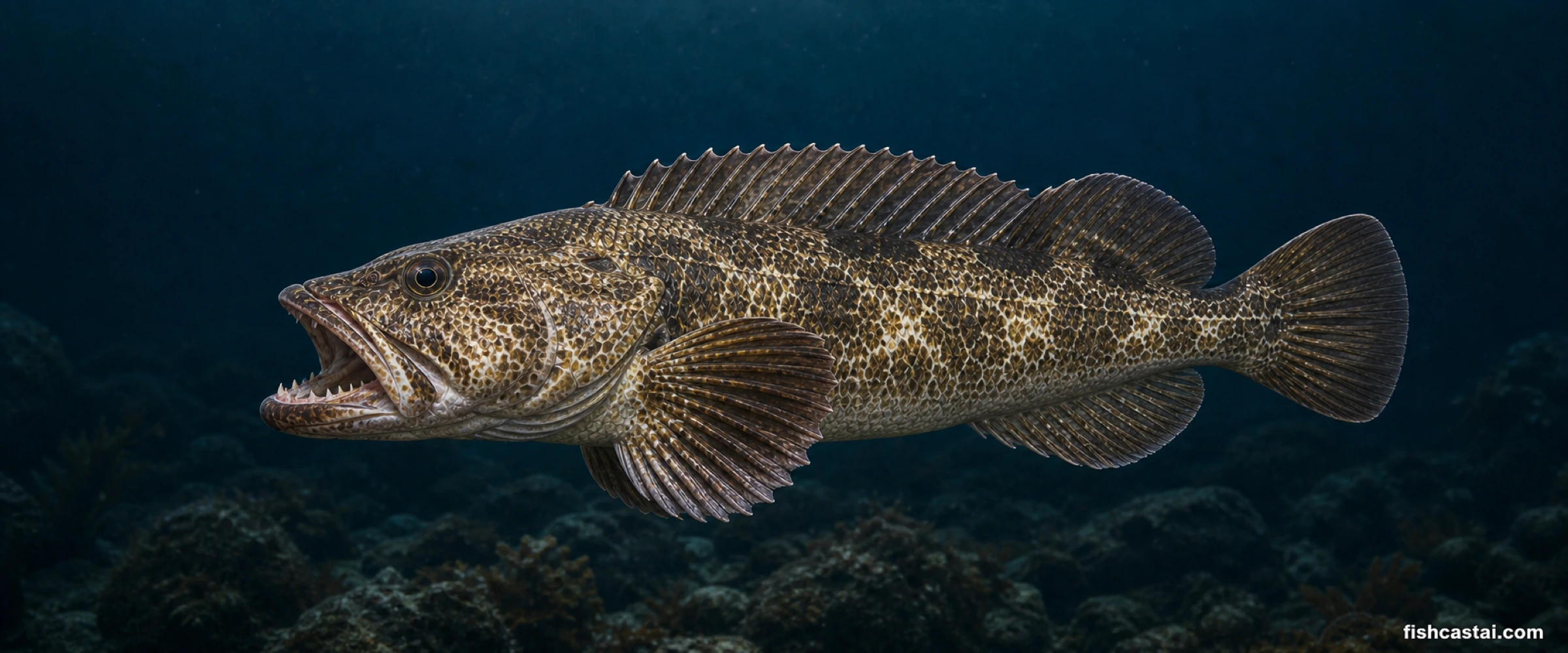
Lingcod
Ophiodon elongatus
Also known as: ling cod, ling, blue cod
Find steep rocky structure first and keep the lure pinned close to it. Lingcod rarely make long moves off cover, so depth control and exact boat position matter more than constant lure changes.
Max Length
152cm
Typical trophy size
Max Weight
36kg
Record class
Water Temp
48–61°F
Preferred range
Difficulty
3/5
Skill level
How to catch Lingcod
Best timing
Fish stable spring through fall weather windows and target manageable current or low-swell days that let you stay on nearshore or offshore rock structure.
Stable weather · spring window · low swell · controlled drift
Best methods
Use large swimbaits, metal jigs, leadheads with bait, or live offerings worked tight to reefs, pinnacles, ledges, and kelp-edge hard bottom.
Swimbait · metal jig · bait rig · rockpile
Best presentation
Keep the lure close to bottom and the structure face with controlled lifts and drops instead of fast retrieves well above the fish.
Bottom contact · structure face · lift-drop · exact position
Where they hold
Focus on reefs, boulder fields, pinnacles, ledges, canyon edges, and kelp-associated rock with sharp depth relief and nearby bait.
Reef edge · boulder field · pinnacle · kelp rock
Where to fish for Lingcod
Use state guides to narrow the pattern before checking forecast conditions.
Washington lingcod fishing is built around rocky nearshore habitat from Puget Sound to the outer coast, with strong spring access windows and exact structure fishing.
Washington anglers often split the lingcod pattern between marine-area structure inside the Sound and bigger outer-coast rock habitat. In both cases, success comes from staying on a precise rock edge rather than covering empty water.
View state guideOregon lingcod are a classic rocky-bottom target from jetties to offshore reefs, with productive spring through fall fishing whenever swell and drift line up.
The Oregon pattern is defined by hard structure and manageable sea conditions, not by long-distance fish movement. Once weather opens the coast, lingcod set up on reefs, headlands, and offshore rock where bait funnels through relief.
View state guideCalifornia lingcod patterns center on rockfish-style structure, kelp-edge reefs, and current-washed hard bottom from Central California northward.
California fish often use the same reef complexes as rockfish, but the better lingcod hold on the sharper breaks, isolated boulders, and structure transitions inside those zones. The fishery rewards anglers who can distinguish prime ambush structure from generic bottom marks.
View state guideAlaska lingcod hold on cold rocky habitat in Southeast and Gulf waters, where deep relief and bait-rich current make for a powerful but structure-specific fishery.
Compared with farther south, Alaska lingcod often use colder deeper structure and can overlap with halibut and rockfish ground. The pattern is still pure ambush fishing, but depth, current, and sea conditions can be more demanding.
View state guideDistribution
Seasonal behavior
Seasonal movement
Lingcod remain structure-oriented all year, but the practical fishing pattern changes with spawning season and safe access to Pacific rock habitat. Winter spawning keeps many fish tied to rocky nest areas, while spring and early summer open the nearshore fishery as weather improves and post-spawn fish settle back into feeding structure. Summer and fall continue to produce on reefs and ledges wherever cold current and forage stay in contact with the rock.
Preferred habitat
Lingcod prefer cold, oxygen-rich Pacific water around steep rock where prey can be trapped against the structure. Reefs, pinnacles, boulders, ledges, kelp-edge hard bottom, and sharp drop-offs all hold fish because they create ambush lanes and vertical relief. The best spots are not flat rock expanses but isolated pieces with a real edge, crack, or current-facing corner.
Feeding behavior
Lingcod are violent ambush predators that eat rockfish, herring, squid, octopus, and other sizeable prey moving close to their cover. They often pin on one dominant piece of structure and rush a bait only a short distance, which is why keeping the lure in the strike zone matters so much. Bigger fish are especially likely to own the sharpest break or highest-relief section of a reef.
What changes the bite
Current that brings bait across the rock face, stable cold-water conditions, and safe sea state are the biggest lingcod bite triggers. Too much swell or drift speed takes you off the structure before the lure can work properly, while too little current can make fish harder to position on one edge. When fish show but miss, slowing the drop or reworking the same rock from a tighter angle often converts the follow.