 FishCast AI
Largemouth Bass Fishing in Tennessee
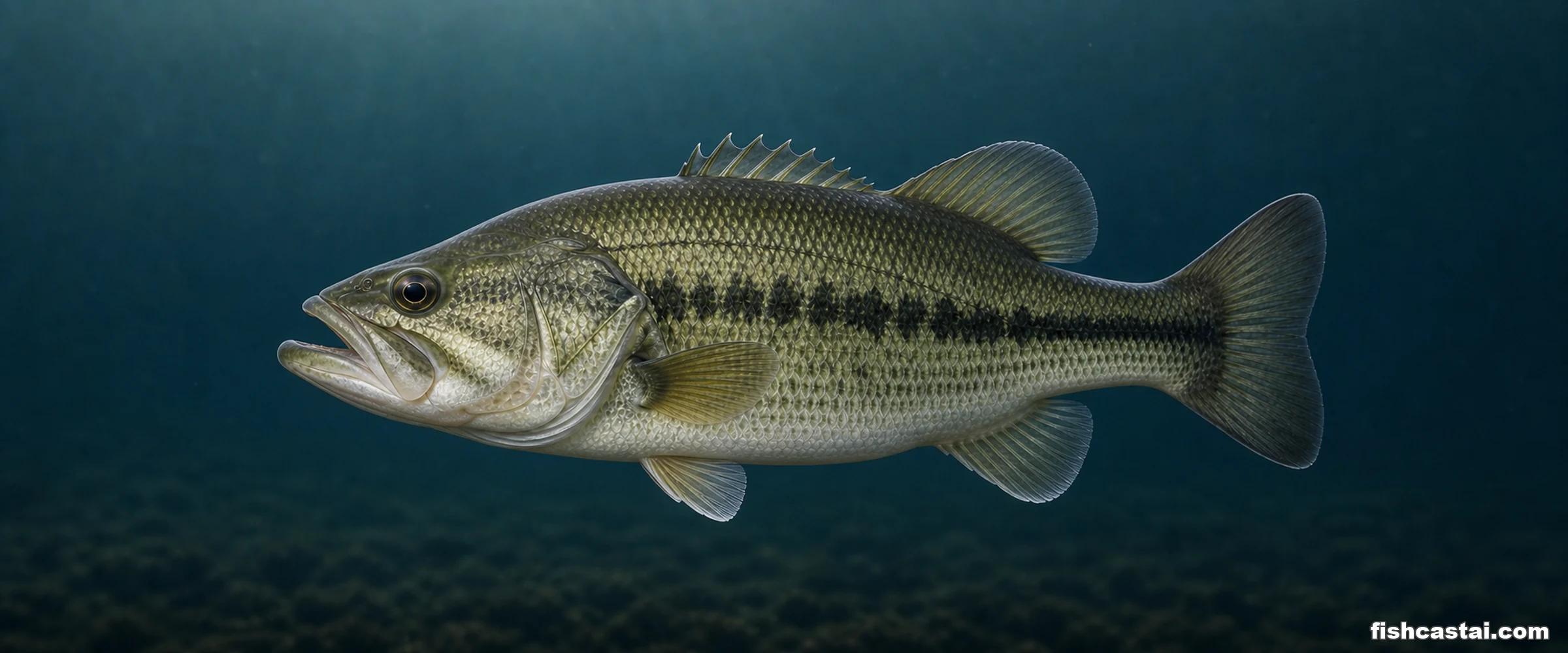
Micropterus salmoides
Also known as: Bucketmouth, Bigmouth Bass, Black Bass, Green Bass
Tennessee quick take
Tennessee largemouth fishing peaks on Guntersville's grass mats in spring and on Tennessee River ledges in summer — master both patterns and you'll fish the state's best water year-round.
Max Length
83cm
Typical trophy size
Max Weight
10.1kg
Record class
Water Temp
59–81°F
Preferred range
Difficulty
3/5
Skill level
How to catch Largemouth Bass in Tennessee
Tennessee largemouth fishing peaks on Guntersville's grass mats in spring and on Tennessee River ledges in summer — master both patterns and you'll fish the state's best water year-round.
Where to fish for Largemouth Bass in Tennessee
Target Lake Guntersville's hydrilla mats, reed lines, and grass edges for spring and early summer largemouth on the frog and flipping bite.
Work Tennessee River channel ledges at 12–22 feet on Guntersville and Chickamauga for suspended summer bass using electronics.
Focus on the backs of creek arms and main lake points in fall as cooling water pulls bass shallow to chase shad.
How to work the pattern in Tennessee
Throw hollow-body frogs over Guntersville's grass mats at dawn and dusk during the spring and early summer bite.
Use forward-facing sonar to locate ledge schools in summer, then present a deep-diving crankbait followed by a football jig to mop up.
Cover water with a squarebill crankbait in the backs of creek arms and over flat banks in fall when shad push shallow.
Seasonal behavior in Tennessee
Tennessee largemouth spawn in March and April across most of the reservoir system, with pre-spawn fish staging on grass edges and main lake points in February as water warms toward 15°C. The grass-mat frog bite on Lake Guntersville is one of the most celebrated patterns in southern bass fishing, peaking from April through June as fish move up into hydrilla and coontail vegetation to feed and spawn. Summer on the Tennessee River system is defined by the ledge pattern — fish drop to 12–25 feet on channel structure and are best located and targeted with electronics and high-water-pressure tactics. Fall transitions quickly on Tennessee reservoirs, with September and October seeing aggressive shallow bites as shad migrate into creek arms and bass follow — squarebills, topwater, and spinnerbaits all produce during this window. Tennessee winters are mild enough to keep bass catchable through January and February, particularly on slower jig presentations worked along the edges of deeper structure.