 FishCast AI
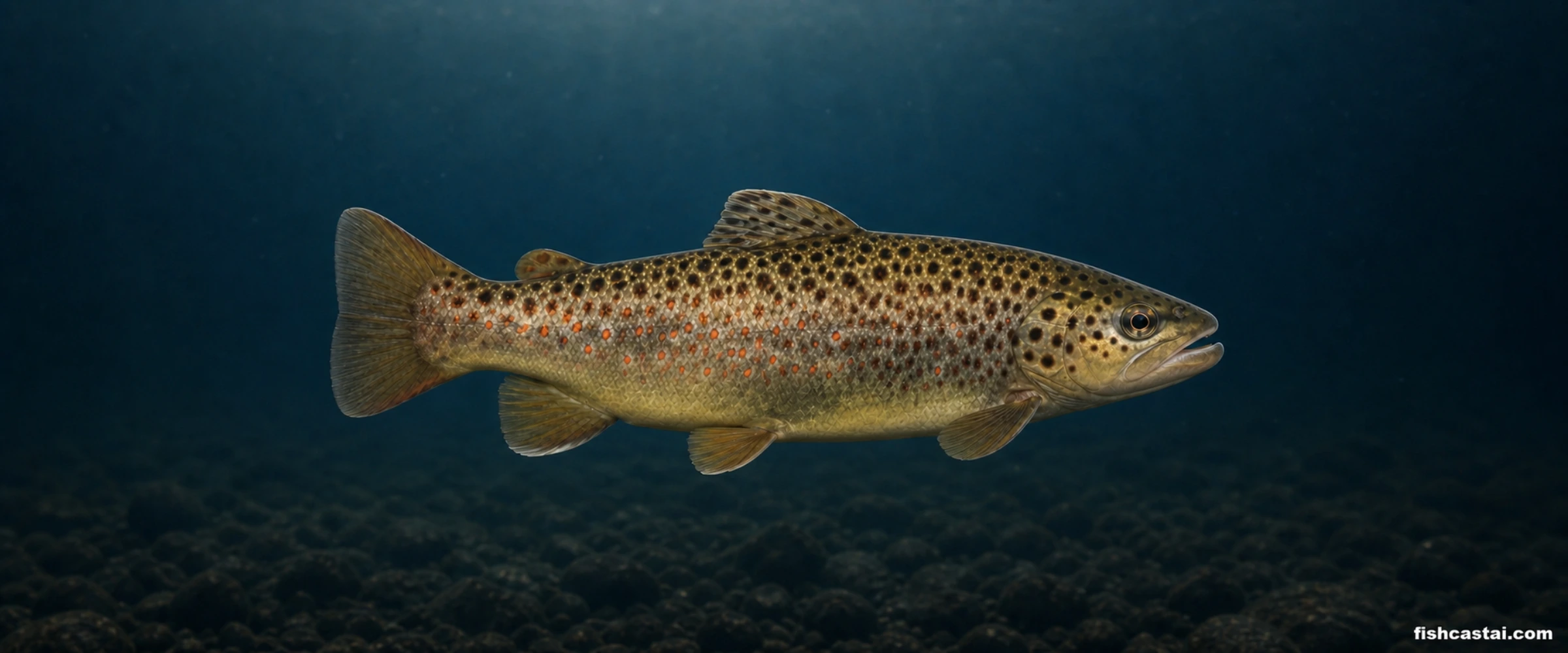
Brown Trout
Salmo trutta
Also known as: brown trout, brownie, german brown trout
Fish low-light ambush water first, then keep larger profiles tight to cover and current breaks until a brown trout gives away its lie.
Max Length
100cm
Typical trophy size
Max Weight
20kg
Record class
Water Temp
45–64°F
Preferred range
Difficulty
4/5
Skill level
How to catch Brown Trout
Best timing
Prioritize low-light periods, fall cooling, and stable cold-water windows when brown trout leave cover and feed longer.
Low light · fall feed · cool water · stable flow
Best methods
Streamers, jerkbaits, inline spinners, nymphs, and natural drifts cover the strongest brown-trout patterns in rivers and tailwaters.
Streamer · jerkbait · spinner · nymph
Best presentation
Keep bigger baits tight to undercuts and depth breaks, then pause long enough for a cover-oriented fish to commit.
Tight to cover · long pause · low light · ambush water
Where they hold
Focus on undercut banks, logjams, boulders, tailouts, deep runs, and cold tailwater structure with nearby food lanes.
Undercuts and wood · deep runs · tailouts · shade
Where to fish for Brown Trout
Use state guides to narrow the pattern before checking forecast conditions.
Arkansas is one of the most important southern brown-trout states because cold Ozark tailwaters keep large fish active year-round well outside typical trout range.
Arkansas Game and Fish tailwater fisheries below Bull Shoals and Norfolk dams built the state’s national reputation for giant brown trout. These systems stay cold enough through generation releases to support both steady everyday fishing and true trophy fish, making Arkansas more of a dam-controlled big-brown state than a small-stream hatch-matching state.
View state guidePennsylvania’s brown-trout identity is built around fertile limestone spring creeks and managed trout water where selective fish grow fast and feed in clear demanding current.
Pennsylvania’s famous spring creeks such as Yellow Breeches, Letort, and Falling Spring represent the opposite end of the brown-trout spectrum from Arkansas: smaller, clearer, more technical water where insect life, weed growth, and pressure all matter. The state’s best browns reward precise drifts, careful approach, and hatch awareness more than large-water coverage or heavy attractor tactics.
View state guideMontana supports excellent brown trout in major western rivers where current variation, baitfish, and broad seasonal shifts let larger fish hold and feed across long reaches.
Montana brown trout are not confined to tiny technical streams; they are major-river fish in many of the state’s famous systems. On rivers such as the Madison, Missouri, and Yellowstone drainage waters, browns use cutbanks, shelves, boulder fields, and side channels in ways that favor streamer fishing, nymphing, and low-light ambush patterns.
View state guideWisconsin’s Driftless and spring-fed stream culture gives brown trout cool fertile water where cover, undercuts, and insect life keep fish active through long portions of the year.
Wisconsin DNR highlights brown trout as a major stream species, especially in the Driftless and other spring-fed systems that stay cool and productive. These waters produce the classic upper Midwest brown-trout pattern: modest-size creeks with undercut banks, weed lines, current seams, and enough fertility to grow selective but consistently feeding fish.
View state guideDistribution
Seasonal behavior
Seasonal movement
Brown trout stay near secure lies through much of the year, but spring and fall make them easier to pattern as food, temperature, and spawning behavior pull them into narrower feeding lanes. Summer heat pushes them toward the coldest current, deepest shade, and night-feeding windows, especially in streams with limited thermal refuge. Fall is the clearest big-fish season, while winter groups fish in deep runs and softer current where they still feed in shorter stable windows.
Preferred habitat
Brown trout prefer cool, oxygen-rich water with cover, depth, and an ambush edge, which is why tailwaters, undercut banks, logjams, boulder fields, spring creeks, and deep pools all produce. Compared with rainbow trout, they are more comfortable using darker, slower security water and moving short distances to intercept prey. In lakes they hold near steep breaks and rocky shoreline structure with access to colder water and bait.
Feeding behavior
Brown trout feed on insects, eggs, crayfish, and small fish, but larger fish become increasingly baitfish-oriented and territorial. They often strike hardest during low light, stained flow, cloud cover, or after dark, when a bigger prey item can move through their lane without exposing the fish. A precise first cast matters because large brown trout often hold one exact lie and do not shift far to inspect a bait.
What changes the bite
Cooling water, cloud cover, stained flow, and stable releases are the cleanest brown-trout bite triggers because they pull fish out of the darkest cover and extend their feeding window. Summer heat narrows activity to the coldest hours and best thermal refuge, while fall temperatures often create the most aggressive streamer and jerkbait bite of the year. In pressured water, the first clean drift or swing usually matters more than changing flies repeatedly.