 FishCast AI
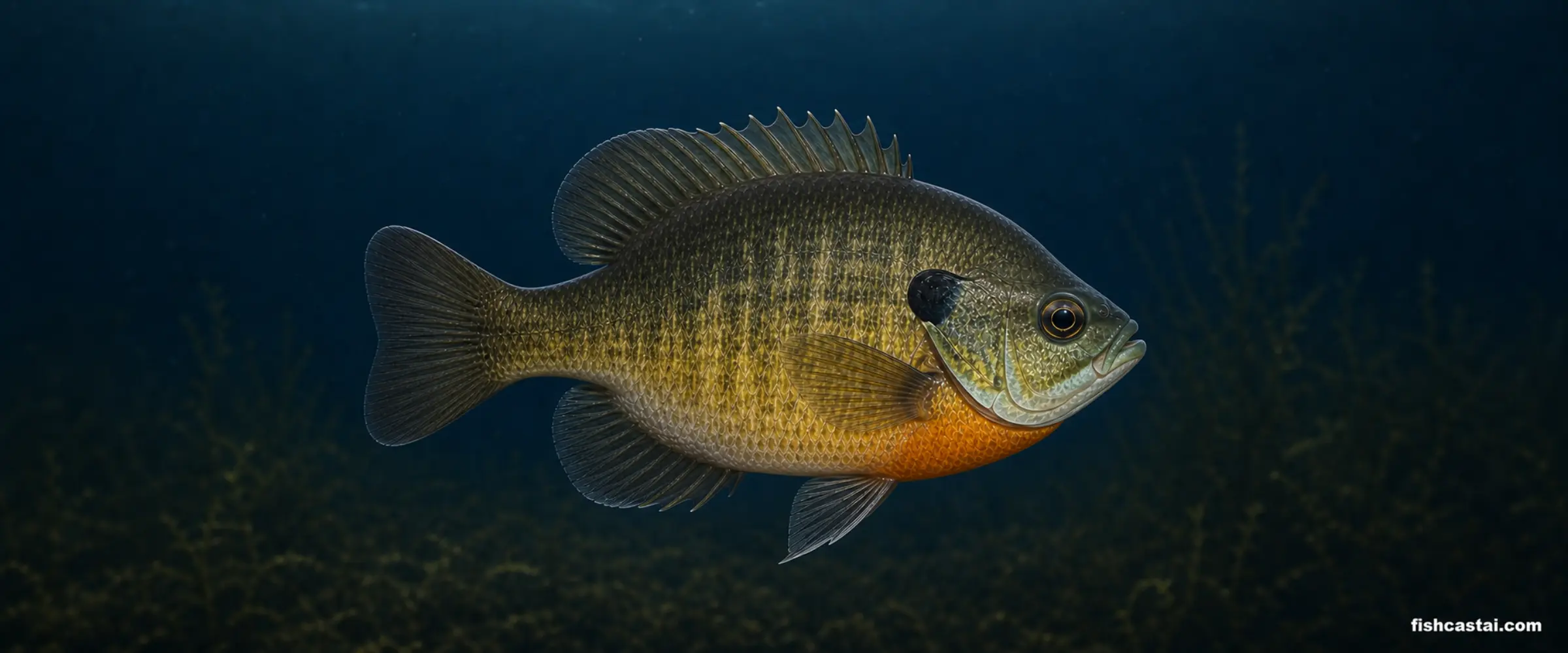
Bluegill
Lepomis macrochirus
Also known as: bluegill, bream, brim, sunfish
Target the edges of cover with a slow-falling bait, and once you find the bedding colony or weed-line depth, repeat that exact level until the school shifts.
Max Length
41cm
Typical trophy size
Max Weight
2.2kg
Record class
Water Temp
61–82°F
Preferred range
Difficulty
1/5
Skill level
How to catch Bluegill
Best timing
Fish warm spring afternoons, the bedding period, calm summer mornings, and evening shoreline windows when insects and surface activity pull bluegill shallow.
Spring warmup · bedding period · calm mornings · evenings
Best methods
Worms, crickets, waxworms, micro jigs, tiny plastics, and small flies under floats all excel around weeds, beds, docks, and brush.
Worm · cricket · waxworm · micro jig · float
Best presentation
Use a slow fall, keep the bait just above weeds or beds, and let the float rest fully before moving it again.
Slow fall · above cover · pause · light line
Where they hold
Focus on weed edges, lily pads, docks, brush, shallow bedding flats, reeds, and protected shoreline cover close to deeper water.
Weeds and pads · beds · docks · protected coves
Where to fish for Bluegill
Use state guides to narrow the pattern before checking forecast conditions.
Minnesota stays a premier bluegill state because thousands of lakes support both easy everyday panfishing and high-quality winter and spawning-season action.
Minnesota’s lake density gives bluegill anglers almost unlimited water choices, but the underlying state pattern stays consistent: shallow sandy or firm-bottom spawning bays in late spring, then weed edges, docks, and deeper basin transitions once the spawn breaks up. The same fish also support a major hardwater fishery, which makes Minnesota one of the few bluegill states where winter is nearly as important as open water.
View state guideWisconsin bluegill fishing thrives in clear glacial lakes, farm ponds, and backwater systems where vegetation and fertile shallow cover keep fish abundant and aggressive.
Wisconsin’s panfish culture is built around lake and pond bluegill that use reeds, pads, docks, and warm spawning flats through much of the year. The state’s better fish often come from weedy Northwoods lakes and fertile southern waters where firm-bottom bedding areas, shade, and aquatic cover let bluegill grow while still staying easy to locate seasonally.
View state guideIllinois bluegill fishing is built around ponds, small lakes, and fertile public waters where bedding colonies, weed edges, and simple float presentations keep fish accessible.
Illinois’ broad bluegill opportunity comes from its many park lakes, farm ponds, and small reservoirs, where warm fertile water and manageable cover make panfish easy to pattern. The strongest state identity is straightforward: spring colonies on shallow firm bottom, then summer fish around weeds, wood, and shade where bait can be presented slowly and accurately.
View state guideTexas bluegill are widespread in ponds, tanks, creeks, and reservoirs, where long warm seasons create extended feeding windows and multiple spawning waves.
Texas warmwater systems support bluegill in both dedicated panfish water and as a key forage base in ponds and reservoirs. The state pattern differs from the upper Midwest by stretching the productive season: fish can stay shallow and active for long periods, with repeated bedding waves, extended low-light feeding, and strong small-water opportunity even outside traditional spring peaks.
View state guideDistribution
Seasonal behavior
Seasonal movement
Bluegill hold a little deeper through cold water periods, then move shallower in stages as stable warming trends push temperatures into the upper teens Celsius. The biggest concentration happens during the bedding cycle, when colonies set up on protected hard-bottom flats and fish cycle between beds and adjacent cover. After spawning they slide back to weed lines, docks, and shaded shoreline cover, then regroup deeper again as late-fall water cools.
Preferred habitat
Bluegill prefer warm, fertile water with vegetation, overhead cover, and firm bottom near shallow feeding areas. Ponds, small lakes, backwaters, and reservoir coves with weeds, pads, reeds, docks, flooded brush, and bedding flats all hold fish consistently. The best locations combine shade or weeds with a nearby depth change so fish can feed shallow and slide out quickly when conditions change.
Feeding behavior
Bluegill feed on insects, larvae, zooplankton, worms, tiny crustaceans, and occasional fry, usually taking small prey that hangs naturally in the water column. They are highly responsive around bedding colonies and insect-rich shade lines, where repeated accurate casts can pull multiple fish from the same small area. Warm stable weather and low-light periods keep them active, while sudden cold snaps make them suspend or bury deeper in weeds.
What changes the bite
Stable warming water, calm conditions, and insect activity near weeds or shorelines are the strongest bluegill bite triggers. Heavy pressure or a cold front can push fish a little deeper or tighter to cover, but they usually stay close to the same flat, weed edge, or dock if food remains available. When bites turn short, downsizing the bait and slowing the fall is usually more effective than moving immediately.